Posts by North East Attachment & Track
Rhinox Excavator Pallet Forks: Turn Your Excavator Into a Material Handler
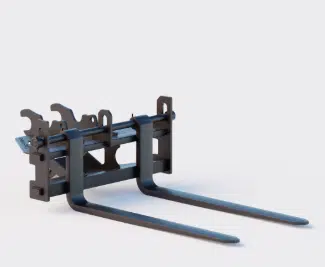
If you have ever watched a crew wait on a telehandler that cannot get across a soft, rutted site, you already know the problem. Materials arrive on pallets, but the ground will not let a forklift move them. Rhinox excavator pallet forks solve that by putting the forks on the machine that is already there:…
Read MoreNow Available: Strickland Attachments
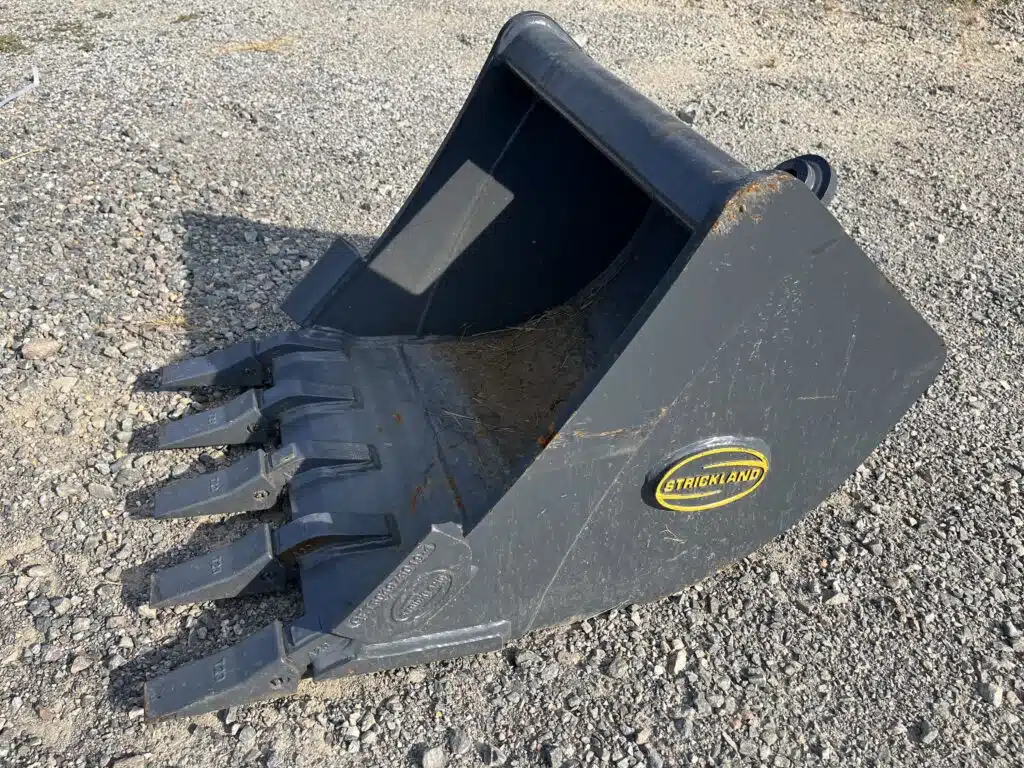
We’ve added Strickland MFG’s excavator and skid steer buckets to our lineup — heavy-duty, purpose-built attachments engineered to keep your machine working, not waiting. Contractors ask us for the same thing every week: an attachment that shows up on time, bolts on without drama, and doesn’t quit halfway through the job. That’s exactly why we…
Read MoreThe Complete Buying Guide to Paver Tracks, Pads & Undercarriage
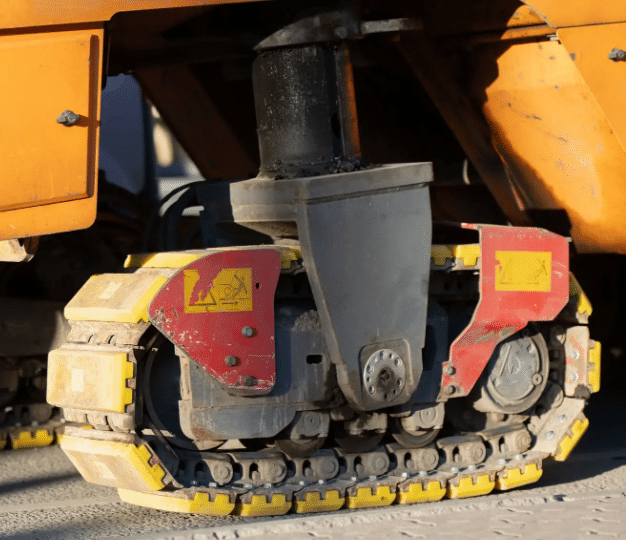
The undercarriage is the most expensive wear system on your machine, and often the least understood. Here’s how to buy the right paver tracks, pads, rollers, idlers, and sprockets the first time. Whether you’re running an asphalt paver, a compact track loader, or a mini excavator, the undercarriage is what actually puts your machine’s power…
Read MoreHow to Choose the Right Excavator Bucket for Every Job
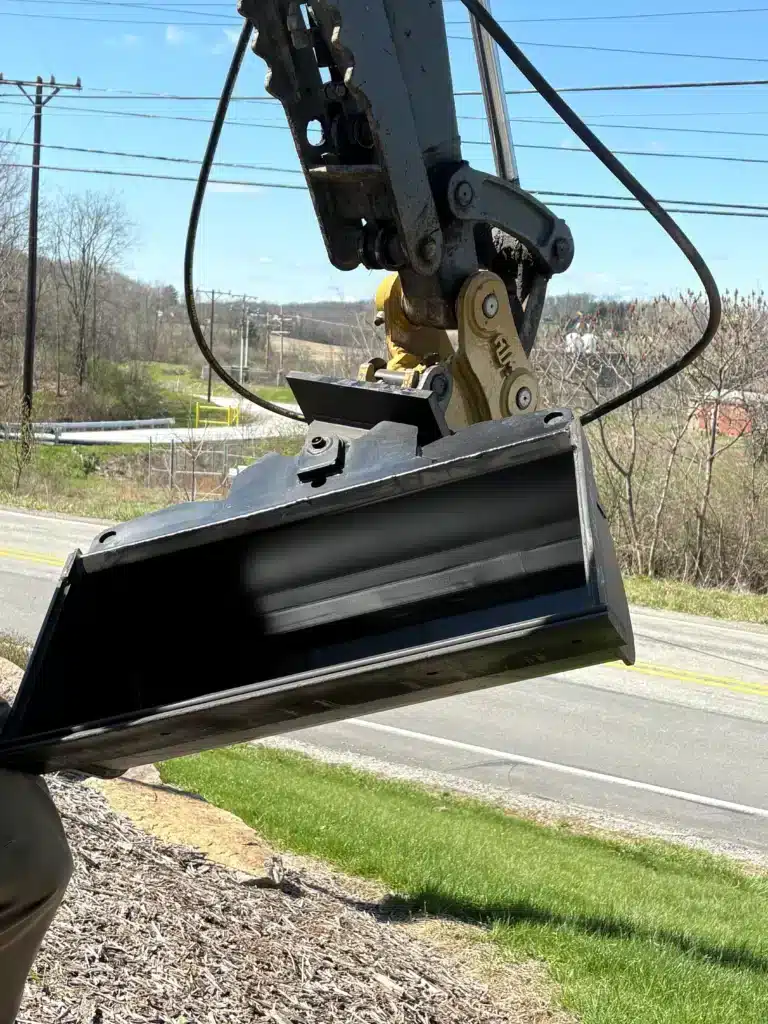
The wrong bucket doesn’t just slow you down — it burns fuel, wears out your undercarriage, and turns a one-day job into two. Here’s how to match the bucket to the job, the material, and the machine. Ask ten operators what bucket they’d grab for a job, and you’ll get ten different answers — because…
Read MoreWhy Every Excavator Owner Should Consider a Tilting Bucket
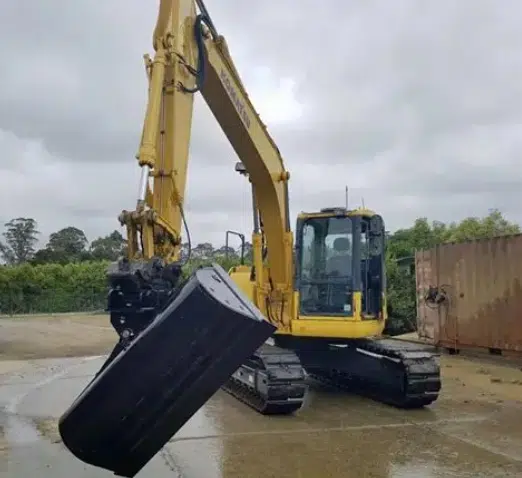
Every contractor is looking for ways to get more done in less time, with less equipment and fewer headaches. Most of the attention goes to bigger machines, more horsepower, or specialized attachments for niche jobs. But one upgrade consistently gets overlooked — and it doesn’t require buying a new machine, a new crew, or a…
Read MoreProduct Spotlight: MB Crusher BF120.4
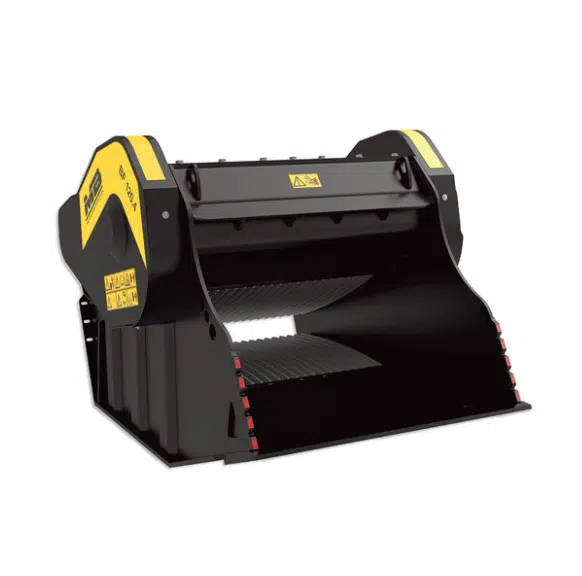
Every demolition contractor eventually runs into the same problem: what do you do with all the material left behind? Concrete, asphalt, brick, and rock pile up fast, and hauling it off-site costs time, fuel, and money before it ever gets recycled or reused. The MB Crusher BF120.4 solves that problem at the source, by turning…
Read MoreCommon Causes of Track Failure — and How to Avoid Them
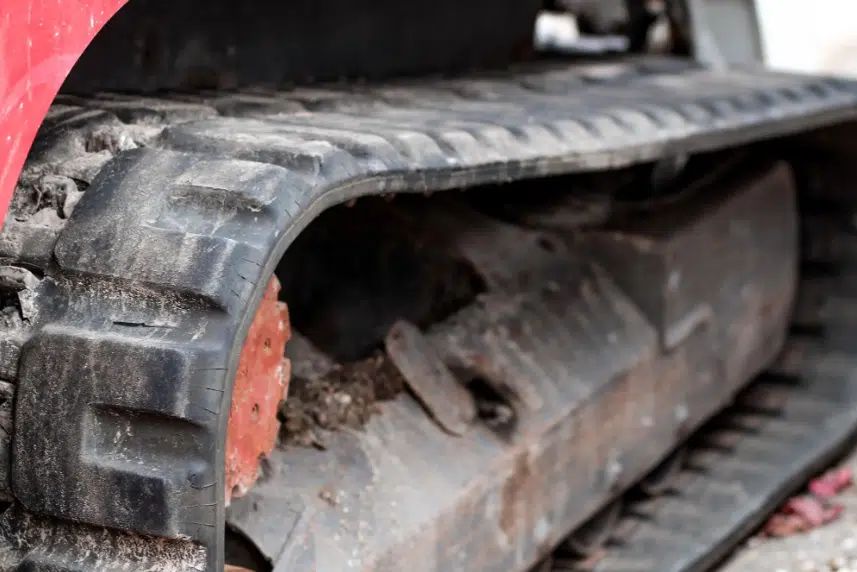
Rubber tracks are the foundation of your machine’s productivity. When they fail, everything stops — the job, the schedule, and the revenue. The good news: most track failures are entirely preventable. Here’s what causes them and what you can do about it. 1. Improper Track Tension Track tension is one of the most common —…
Read MoreMini Excavator Attachments: 7 Tools That Transform a Small Machine
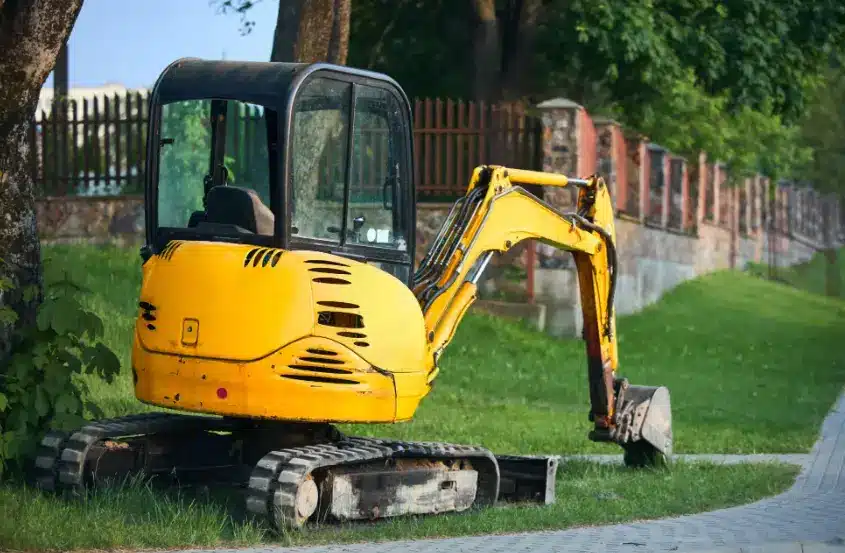
The mini excavator might be the most underrated machine in a contractor’s fleet. It’s compact enough to work in a backyard, powerful enough to dig a foundation, and versatile enough — with the right attachments — to handle a dozen different job types with a single machine. But too many operators run a mini excavator…
Read MoreThe Cost of Running the Wrong Track — What it’s Actually Costing You
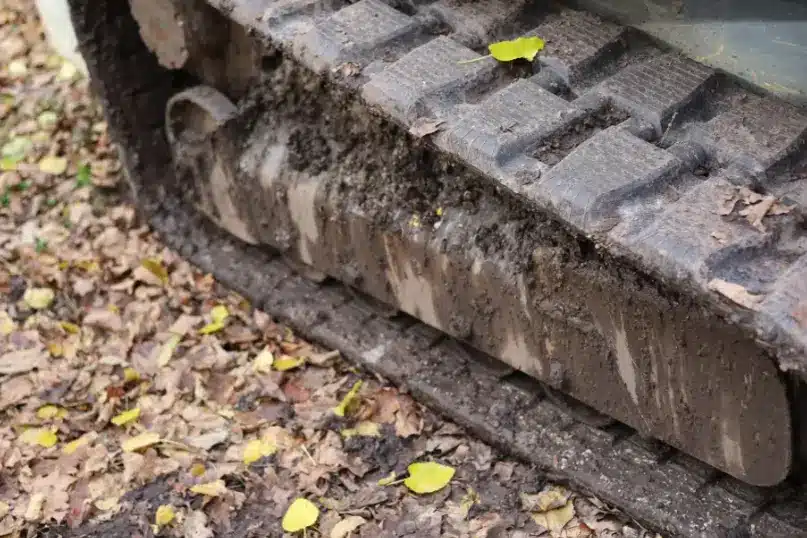
Running a worn-out track or the wrong track specification for your terrain isn’t just a performance annoyance — it’s a slow, invisible money leak that puts stress on your entire undercarriage and quietly erodes your margins job by job. Most operators don’t connect the dots until the damage is already done. Here’s what the wrong…
Read MoreNow Available: SEPPI E10 High Performance Mulcher for Compact Excavators
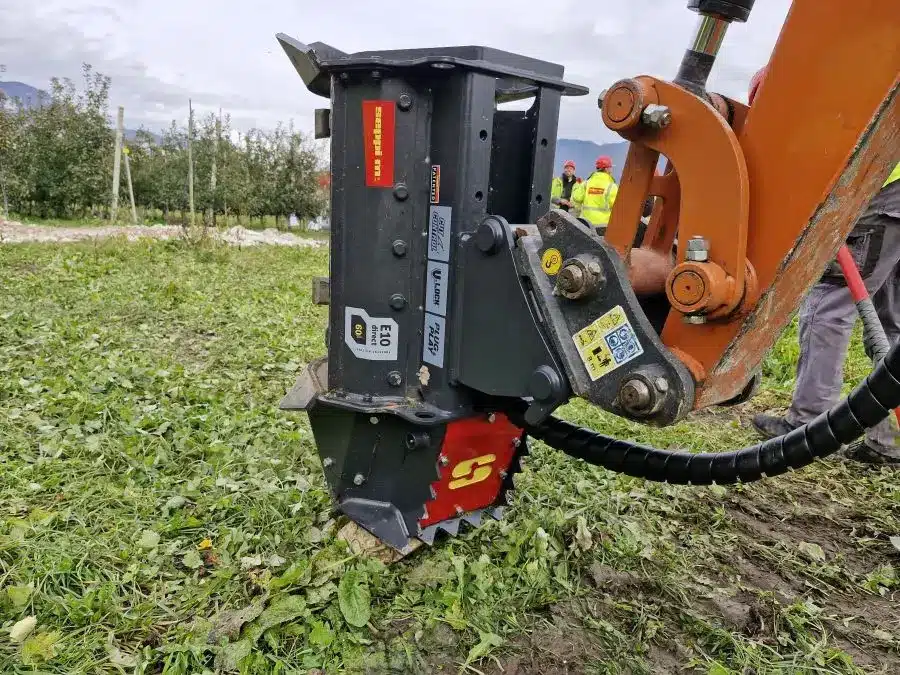
Compact excavators continue to play a bigger role in land clearing, vegetation management, and site maintenance, and SEPPI M. is raising the bar once again with the introduction of the E10 direct, a high‑performance forestry mulcher engineered specifically for mini‑excavators in the 2.5–6‑ton class. At North East Attachment & Track, we are proud to be…
Read More