Which Track Pattern Is Best for Each Ground Condition? A Complete Guide
Choosing the right rubber track pattern is one of the easiest ways to boost your machine’s performance and protect your jobsite. Whether you’re operating a skid steer, CTL, or mini excavator, the tread pattern you run directly affects traction, vibration, wear, and ultimately—your productivity.
Below is a clear breakdown of today’s most common track patterns and the conditions they perform best in, so you can match the right tread to the right terrain every time.
Multi-bar Pattern
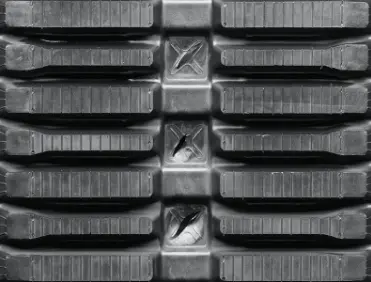
Best for: Snow, asphalt, concrete
Strengths: Smoothest ride, low vibration, gentle on finished surfaces
Why choose it:
Multi‑bar tracks deliver the quietest, most comfortable ride with excellent flotation on snow and hard surfaces. Because the tread footprint is continuous and low‑impact, it protects blacktop, concrete, and pavers, making it a go‑to for landscaping, snow removal, and urban job sites.
Block Pattern
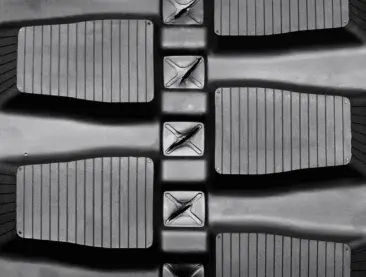
Best for: Asphalt, concrete, everyday general use
Strengths: Balanced traction, durable, versatile
Why choose it:
Block‑style tracks are the most universally used because they perform well in most conditions without being overly aggressive. Their rubber blocks create a solid grip on hard surfaces and are built for long-term durability. Great all‑around but not specialized for extreme terrain.
C-Pattern
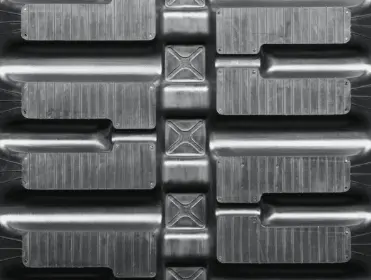
Best for: Mud, loose soil, soft dirt
Strengths: Strong, self‑cleaning, multiple biting edges
Why choose it:
The C‑shaped lugs cut through mud and soft ground while shedding debris efficiently. This pattern is great when you need forward bite and the ability to keep moving in wet, soft, or sloppy material. It’s a high‑traction option, but too aggressive for most hardscape projects.
XT Pattern
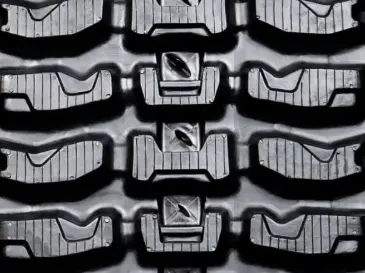
Best for: Snow, ice, loose terrain
Strengths: Superior grip, high‑traction edges
Why choose it:
XT patterns are designed for maximum traction where slipping is most likely—snow, ice, and loose granular material. These tracks “chew” into frozen and slick surfaces for better control. However, their aggressive lugs can wear faster on pavement.
Bi-Directional Pattern
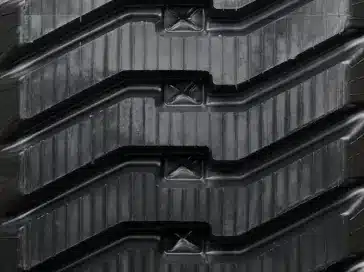
Best for: Turf, soft terrain, light mud
Strengths: Minimal ground disturbance, forward/backward traction
Why choose it:
When you need to protect sensitive terrain like grass, athletic fields, or golf course soil, the bi‑directional tread is your friend. It spreads machine weight gently and provides traction both ways. Great for landscapers, less great for tough job sites.
Zig-Zag Pattern
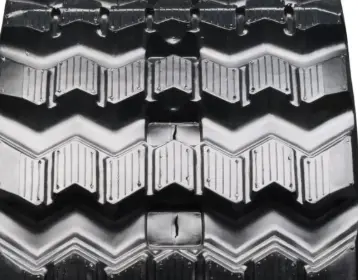
Best for: Mud, snow, clay
Strengths: Excellent traction both directions, self‑cleaning, anti‑slip
Why choose it:
This pattern is built for traction in tough, sticky materials. The zig‑zag channels clear mud and snow effectively while providing confident grip in forward and reverse.
Z-Pattern
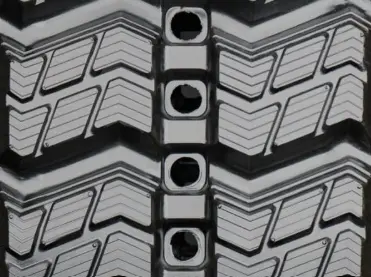
Best for: Snow, ice, loose terrain
Strengths: Extra biting edges, strong grip in all directions
Why choose it: Similar to the XT style, the Z‑pattern is meant for operators who battle winter conditions or frequently work in loose, uneven terrain. Its angled lugs increase the number of biting edges but make it less suitable for hard surfaces.
No single-track pattern does everything perfectly, but the right tread can transform how your machine performs. If you match the tread to the terrain, you’ll maximize traction, reduce wear, improve operator comfort, and extend track life.