
When to Replace Rubber Tracks
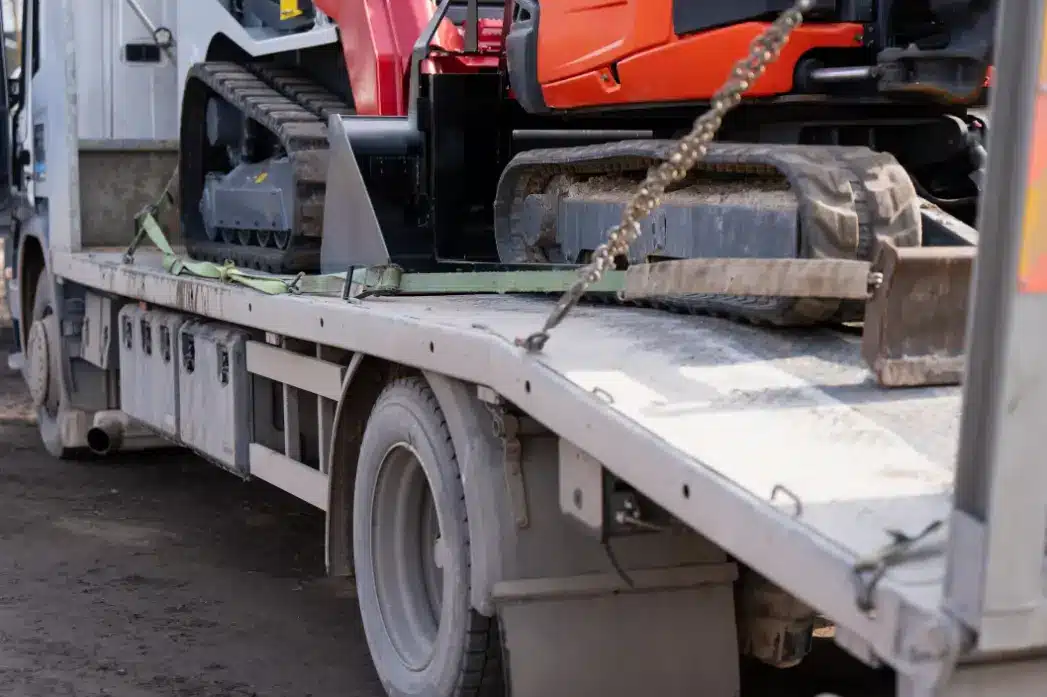
Uncovering the Silent Threat: Why Monitoring Rubber Tracks Matters
Rubber tracks play a pivotal role in the smooth operation of heavy equipment, serving as the unsung heroes that keep your machinery functioning at peak efficiency. Outdated or deteriorating tracks can result in decreased performance, increased fuel consumption, and even unexpected downtime. Regular inspections are essential—not only to preserve the longevity of the machines but also to safeguard against costly repairs down the line.
When you check your tracks, look for:
- Visible cracks and tears that compromise structural integrity
- Uneven wear patterns which might indicate misalignment or excessive load
- Loss of traction especially in demanding terrains
Understanding these key indicators can prevent operational setbacks and extend the overall lifespan of your equipment. As industrial machines often work in challenging conditions, proactive maintenance is paramount, particularly in regions where weather extremes can accelerate track degradation. This guide sets the stage for exploring actionable tips and practical best practices, offering insights into maintaining optimal performance and reliability in your equipment’s mobility.
4 Telltale Signals It’s Time to Replace Your Tracks
Excessive Wear and Tear: As rubber tracks age, they gradually develop cracks, thinning, and surface abrasions. This deterioration not only reduces traction but also can compound further damage, affecting the overall efficiency of your machinery.
Visible Damage and Cracks: Regular inspections may reveal cuts, deep gouges, or even scorch marks on the track surface. Such visible issues are early indicators that structural integrity is compromised, increasing the risk of unexpected failures during operation.
Noticeable Track Slippage: Inconsistent grip during machine movement—especially on slopes or uneven surfaces—points to track deterioration. Slippage can lead to reduced stability and performance, making it a key sign that replacement might be necessary.
Decline in Performance: A subtle drop in operational power or a lag in responsiveness can be linked to worn tracks. In regions with harsh weather or demanding terrain, these performance issues may escalate quicker, making timely replacements crucial for safe and efficient operations.
Step-by-Step Inspection Guide
Begin by preparing your work area and standard safety gear before examining your rubber tracks. Follow these targeted steps to evaluate their condition effectively:
Visual Assessment: Start by carefully inspecting the tracks for cuts, tears, or signs of deterioration. Look for surface abnormalities or misaligned components that might signal underlying issues.
Flexibility Check: Gently manipulate a section of the track to ascertain its flexibility. Stiff or excessively pliable areas may indicate material fatigue. Pay close attention to any unusual deformations.
Wear and Tear Measurement: Measure the tread depth with a dedicated gauge to determine if there is uneven wear. Record the findings and compare them against the manufacturer’s specifications to decide if replacement is necessary.
Environmental Impact Review: Evaluate any exposure to harsh chemicals or extreme weather conditions common in your location, as these can accelerate degradation.
Final Evaluation: Document all observations and address areas of concern in a timely manner. Consistent inspections help prevent unexpected failures and improve overall equipment reliability.
Applying this systematic approach can aid in making informed decisions about maintaining or replacing rubber tracks, ensuring optimal performance in your operations.
Elevate Your Operational Efficiency Today
Maintaining optimal performance starts with proactive care for your machinery, and timely rubber track replacement is a key part of that strategy. Upgrading worn tracks not only boosts efficiency but also fortifies safety and cost-effectiveness. A well-timed replacement minimizes the risk of unexpected downtime, keeping your equipment running smoothly and reliably—especially in high-demand industrial environments.
When you replace tracks before they become a hazard, you benefit from:
- Improved Efficiency: Fresh rubber tracks provide better traction, enhancing movement precision and operational speed.
- Enhanced Safety: Reducing wear-related failures helps prevent accidents in busy or challenging workplaces.
- Cost-Effective Management: Preventative maintenance reduces the likelihood of costly repairs and unexpected equipment breakdowns.
Practical steps for managing your rubber tracks include regular inspections, monitoring usage patterns, and scheduling replacements as early signs of wear appear. This approach not only safeguards your operations but also supports smooth, consistent performance across diverse job sites—including local areas where equipment is subjected to rigorous demands every day.
How Can I Tell It’s Time for a Replacement?
Look for signs such as deep cracks, fraying edges, and uneven wear along the tread. These indicators may suggest the rubber tracks no longer provide reliable performance and should be replaced promptly to avoid further damage.
What Maintenance Practices Can Extend Track Life?
Regular cleaning to remove dirt and debris, lubrication of moving parts, and periodic inspections can help extend the lifespan of rubber tracks. Keep an eye on alignment and tension, as these factors play a crucial role in performance longevity.
Do Weather Conditions Affect the Tracks?
Absolutely. Extreme temperatures and prolonged exposure to harsh weather can deteriorate the rubber faster, reducing performance. Regions with fluctuating temperatures might experience faster wear, necessitating more frequent inspections.
How Should I Conduct Regular Inspections?
Examine the tracks for any visible imperfections such as cuts or missing segments, and assess overall track tension. A structured inspection routine helps spot potential issues early.
What Replacement Tips Can I Follow?
Ensure proper installation by aligning tracks correctly and following manufacturer guidelines. This not only optimizes performance but also contributes to smoother operation over time.
Concluding Insights for Long-Lasting Machine Performance
Maintaining optimal machine performance depends heavily on understanding when to replace rubber tracks. Consistent oversight and proactive maintenance ensure that your equipment remains reliable and efficient. By examining wear patterns and scheduling regular inspections, you can anticipate potential issues before they become critical. Key considerations include:
- Track Inspection: Check for cracks, tears, or uneven wear to determine if replacement is needed.
- Operating Environment: Adapt maintenance schedules based on local terrain and usage intensity.
- Performance Metrics: Monitor vibration and tracking accuracy to identify declining performance.
Implementing these strategies creates a protective cycle for your machinery, helping to extend its operational life. Future steps should involve setting up periodic maintenance checks and leveraging diagnostic tools designed for industrial equipment. Embracing routine inspections not only reduces unexpected downtimes but also improves overall efficiency. Approach each maintenance session with a proactive mindset and adapt your strategy based on evolving operational demands. Your commitment to routine care and timely replacement will lead to smoother operations, enhanced precision, and a more robust bottom line. If you need more help, give us a call at (844) 638-7225 or (844) NE-TRACK